
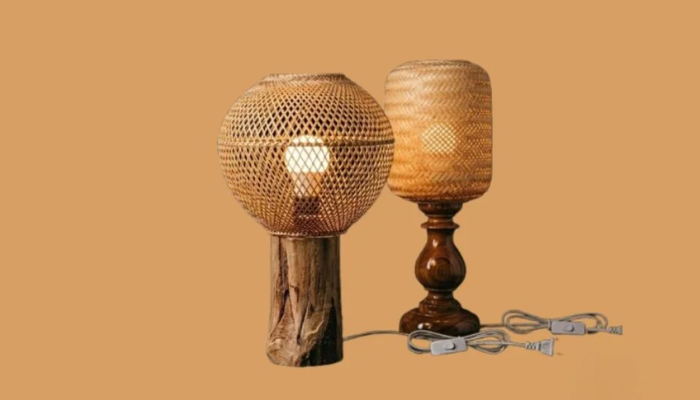

The concept of an oil palm lamp project existing represents a powerful blend of sustainability, innovation, and practicality. As global attention shifts toward renewable resources and waste reduction, projects like this stand out for their ability to convert agricultural byproducts into functional, eco-friendly lighting solutions. Oil palm waste—often discarded or burned—can be repurposed into durable, aesthetically pleasing lamps that not only reduce environmental harm but also provide affordable lighting options.
In regions where oil palm farming is widespread, waste materials such as fronds, shells, and fibers accumulate in massive quantities. Instead of contributing to pollution, these materials can be transformed into valuable products. The oil palm lamp project existing is more than just a creative endeavor—it is a step toward circular economy practices, empowering communities and promoting sustainable design. This article explores the origins, methods, benefits, challenges, and future potential of this innovative project.
Understanding the Concept of Oil Palm Lamp Project Existing
The oil palm lamp project existing revolves around utilizing byproducts from oil palm cultivation to create functional lighting devices. Oil palm trees produce a variety of waste materials during harvesting and processing, including empty fruit bunches, palm kernel shells, and fronds. These materials, often considered agricultural waste, are abundant and renewable, making them ideal for sustainable product development.
One of the key ideas behind this project is waste valorization—transforming low-value waste into high-value products. By designing lamps from oil palm residues, creators reduce reliance on traditional materials like plastic or metal, which often have higher environmental footprints. The result is a unique product that combines natural textures with practical functionality, appealing to both environmentally conscious consumers and those interested in artisanal craftsmanship.
Moreover, the oil palm lamp project existing aligns with global sustainability goals. It addresses issues such as waste management, energy efficiency, and rural development. Many of these projects are community-driven, providing local artisans with income opportunities while promoting eco-friendly practices. This dual impact makes the concept particularly attractive for both small-scale entrepreneurs and larger sustainability initiatives.
Materials and Design Techniques Used in Oil Palm Lamps
Creating lamps from oil palm materials requires a thoughtful approach to both material selection and design. Commonly used components include palm fronds, fibers, and shells. These materials are first cleaned, dried, and treated to ensure durability and resistance to pests or moisture. Proper processing is essential to maintain the structural integrity of the final product.
Design techniques vary depending on the desired aesthetic and functionality. Some lamps feature woven palm fibers, creating intricate patterns that allow light to pass through beautifully. Others use solid palm shells as bases or decorative elements, giving the lamp a rustic, organic look. The versatility of oil palm materials allows designers to experiment with different styles, from minimalist modern designs to traditional handcrafted pieces.
In addition to the natural components, electrical elements such as LED bulbs and wiring are integrated into the design. Energy-efficient lighting is typically preferred, as it complements the sustainability goals of the project. Combining traditional craftsmanship with modern technology results in lamps that are not only visually appealing but also practical and efficient for everyday use.
Environmental Benefits of Oil Palm Lamp Project Existing
One of the most significant advantages of the oil palm lamp project existing is its positive environmental impact. Oil palm agriculture generates large amounts of waste, which, if not managed properly, can contribute to pollution and greenhouse gas emissions. By repurposing this waste into useful products, the project helps reduce environmental degradation.
Another benefit is the reduction in reliance on non-renewable materials. Traditional lamps often use plastics and metals, which require energy-intensive manufacturing processes. In contrast, oil palm lamps utilize renewable, biodegradable resources. This shift not only lowers the carbon footprint but also promotes a more sustainable approach to product design.
Additionally, the project supports the concept of a circular economy. Instead of a linear “take-make-dispose” model, it encourages the reuse and recycling of materials. This approach minimizes waste and maximizes resource efficiency. Over time, widespread adoption of such practices can contribute to significant environmental improvements, particularly in regions heavily involved in oil palm production.
Economic and Social Impact on Local Communities
The oil palm lamp project existing is not just an environmental initiative—it also has meaningful economic and social benefits. In many rural areas, oil palm farming is a primary source of income. However, farmers often struggle with fluctuating prices and limited opportunities for value addition. By turning waste into marketable products, this project creates new income streams for local communities.
Artisans and small-scale entrepreneurs can participate in the production process, from material collection to lamp assembly. This involvement fosters skill development and encourages entrepreneurship. In some cases, community cooperatives are formed to manage production and distribution, ensuring fair wages and shared benefits among participants.
Socially, the project promotes awareness of sustainability and resource conservation. It encourages communities to rethink waste and recognize its potential value. Furthermore, access to affordable, eco-friendly lighting can improve quality of life, especially in areas with limited electricity infrastructure. By combining economic empowerment with environmental responsibility, the oil palm lamp project existing contributes to holistic community development.
Challenges and Limitations of Oil Palm Lamp Projects
Despite its many advantages, the oil palm lamp project existing faces several challenges. One of the primary issues is the durability of natural materials. Without proper treatment, oil palm components may degrade over time due to moisture, pests, or environmental conditions. Ensuring long-lasting quality requires additional processing, which can increase production costs.
Another challenge is scalability. While small-scale production is relatively straightforward, expanding the project to meet larger market demands can be complex. It requires consistent supply chains, quality control measures, and efficient manufacturing processes. Balancing sustainability with commercial viability is a key concern for project developers.
Market acceptance is also a factor. While eco-friendly products are gaining popularity, some consumers may still prefer conventional materials due to familiarity or perceived durability. Educating consumers about the benefits and quality of oil palm lamps is essential for broader adoption. Overcoming these challenges will be crucial for the long-term success of the oil palm lamp project existing.
Future Potential and Innovations in Oil Palm Lamp Projects
The future of the oil palm lamp project existing looks promising, with numerous opportunities for innovation and growth. Advances in material science and design techniques can enhance the durability and functionality of oil palm products. For example, combining natural fibers with eco-friendly resins could improve strength and longevity without compromising sustainability.
Technological integration is another area of potential development. Smart lighting features, such as solar-powered systems or motion sensors, can be incorporated into oil palm lamps. These enhancements not only increase usability but also align with the growing demand for energy-efficient solutions.
Additionally, expanding the product range beyond lamps can further maximize the use of oil palm waste. Furniture, decorative items, and even construction materials can be developed using similar principles. As awareness of sustainability continues to rise, the oil palm lamp project existing has the potential to become a model for innovative, eco-friendly product design on a global scale.
Conclusion
The oil palm lamp project existing exemplifies how creativity and sustainability can come together to address pressing environmental and economic challenges. By transforming agricultural waste into functional and attractive lighting solutions, this initiative reduces pollution, supports local communities, and promotes responsible resource use. While challenges such as durability and scalability remain, ongoing innovation and growing consumer awareness offer promising solutions.
As the world moves toward more sustainable practices, projects like this highlight the importance of rethinking waste and embracing renewable resources. The oil palm lamp project existing is not just a lighting solution—it is a symbol of progress, demonstrating how small ideas can lead to significant positive change.
FAQs
1. What is an oil palm lamp project existing?
It is a project that uses oil palm waste materials to create eco-friendly and functional lighting products.
2. What materials are used in oil palm lamps?
Common materials include palm fronds, fibers, and shells, often combined with LED lighting components.
3. Why is this project considered sustainable?
It repurposes agricultural waste, reduces pollution, and uses renewable resources.
4. Are oil palm lamps durable?
Yes, when properly treated and processed, they can be quite durable and long-lasting.
5. Who benefits from this project?
Local communities, artisans, and environmentally conscious consumers all benefit from this initiative.
6. Can oil palm lamps be used indoors and outdoors?
They are mainly designed for indoor use, but treated versions can be suitable for outdoor settings.
7. Is the production process expensive?
Costs vary, but using waste materials can help keep production relatively affordable.
8. Are these lamps energy-efficient?
Yes, most designs incorporate LED or other energy-saving lighting technologies.
9. Can this project be scaled for commercial production?
Yes, but it requires proper planning, supply chains, and quality control measures.
10. What is the future of oil palm lamp projects?
The future is promising, with potential for innovation, expanded product lines, and increased global adoption.