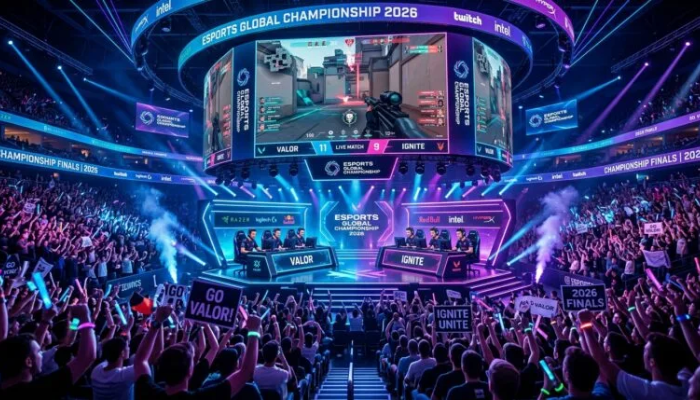
The world of competitive gaming is evolving faster than ever, and fans are constantly searching for reliable platforms that provide timely updates, expert analysis, and engaging content. That is where esports news dualmedia has become an increasingly popular topic among gaming enthusiasts. Whether readers want tournament breakdowns, player transfers, game patch analysis, or streaming industry insights, modern esports coverage plays a critical role in keeping communities informed.
As esports continues to grow into a billion-dollar industry, platforms focusing on esports journalism have transformed the way fans consume gaming news. From live tournament coverage to behind-the-scenes stories, esports media outlets now blend entertainment, reporting, and community engagement into one powerful experience. The rise of esports news dualmedia reflects this shift toward immersive digital journalism that appeals to casual fans and hardcore gamers alike.
In this comprehensive article, we will explore the importance of esports news dualmedia, how esports journalism is shaping the gaming industry, the role of content creators, future trends in esports media, and why reliable reporting matters more than ever in competitive gaming culture.
The Rise of Esports News DualMedia in the Gaming Industry
The gaming industry has experienced explosive growth during the last decade, and esports has become one of its most influential sectors. Competitive gaming events now attract millions of viewers worldwide, with major tournaments filling arenas and generating massive online audiences. As this audience expanded, the demand for professional esports reporting also increased significantly. This demand helped fuel the rise of esports news dualmedia platforms that focus on delivering comprehensive gaming coverage.
Unlike traditional sports journalism, esports media operates in a highly digital environment where information spreads rapidly across social media, streaming services, and gaming communities. Esports fans expect instant updates about tournaments, roster changes, gameplay strategies, and game patches. Because of this fast-paced environment, esports news dualmedia platforms prioritize speed, accuracy, and multimedia storytelling to remain competitive in the industry.
Another major factor behind the popularity of esports news dualmedia is accessibility. Traditional sports coverage often relies heavily on television broadcasting and newspaper publications, while esports journalism thrives on websites, streaming platforms, mobile apps, podcasts, and social channels. This digital-first approach allows gaming fans to stay connected to the esports ecosystem from virtually anywhere in the world.
The rise of mobile gaming and streaming culture has also contributed to the growth of esports media. Games such as battle royales, multiplayer online battle arenas, and tactical shooters have cultivated highly engaged online communities. These audiences constantly seek breaking news, match predictions, player interviews, and gameplay analysis. Esports news dualmedia responds to this demand by providing fresh, engaging, and community-driven content around the clock.
How Esports Journalism Is Transforming Digital Media
The success of esports journalism has reshaped the broader digital media landscape. Modern gaming audiences consume content differently compared to traditional sports fans. Instead of relying solely on written articles, they engage with videos, livestreams, highlight reels, podcasts, short-form content, and interactive social discussions. Esports news dualmedia embraces this multimedia approach to maximize audience engagement.
One of the most notable transformations in esports journalism is the integration of live reporting with social interaction. During major tournaments, media platforms provide real-time score updates, commentary, and analysis while simultaneously interacting with fans on social platforms. This creates a more immersive and community-oriented experience that traditional sports journalism often struggles to replicate.
Another important aspect of esports news dualmedia is its focus on niche gaming communities. Every major esports title has its own culture, terminology, strategies, and fan base. Successful esports journalism platforms understand these communities deeply and tailor their content accordingly. Coverage of tactical shooters differs greatly from coverage of sports simulation games or fighting game tournaments. This specialized reporting helps build credibility among readers and viewers.
Esports journalism has also opened new opportunities for independent creators and analysts. Unlike traditional media industries that often require large production budgets, esports coverage can thrive through smaller teams, online channels, and creator-driven communities. Streamers, analysts, former professional players, and gaming influencers frequently contribute to esports news dualmedia ecosystems, adding authenticity and insider perspectives to coverage.
Furthermore, digital storytelling has become increasingly important in esports reporting. Fans are not only interested in scores and tournament results; they also want emotional narratives, rivalries, comeback stories, and player journeys. Esports media platforms capitalize on these storytelling opportunities by producing documentaries, feature articles, and interview-based content that connects audiences with the human side of competitive gaming.
The Role of Streaming Platforms in Esports News DualMedia
Streaming technology has revolutionized the way esports content is distributed and consumed. Modern esports audiences no longer depend on television networks to watch tournaments or access gaming news. Instead, streaming platforms provide instant access to matches, interviews, commentary, and live discussions. This has significantly strengthened the influence of esports news dualmedia across the gaming industry.
Live streaming creates a direct connection between players, organizations, broadcasters, and audiences. Fans can watch tournaments in real time while participating in live chats, polls, and reactions. This interactive environment has become one of the defining characteristics of esports media. Unlike passive entertainment formats, esports streaming encourages active audience participation and community engagement.
Streaming platforms have also transformed the speed of news distribution. Tournament highlights, controversial plays, roster announcements, and patch reactions can spread globally within minutes. Esports news dualmedia outlets capitalize on this rapid information cycle by combining traditional reporting with real-time content delivery. Speed is often essential because gaming audiences expect immediate updates about ongoing events.
Another significant benefit of streaming integration is content diversity. Esports fans can access long-form interviews, educational gameplay breakdowns, strategy analysis, comedic content, and documentary-style productions all within the same ecosystem. This variety helps esports media platforms appeal to both hardcore competitive gamers and casual entertainment audiences.
Additionally, streaming personalities play a major role in shaping esports narratives. Influencers and content creators often break news, share insider information, and influence public opinion within gaming communities. Many esports fans trust popular creators as much as traditional journalists. As a result, esports news dualmedia platforms increasingly collaborate with streamers and influencers to expand reach and credibility.
The monetization opportunities associated with streaming have further accelerated esports media growth. Sponsorships, subscriptions, advertising, donations, and premium content models allow esports journalism platforms to generate revenue while maintaining direct audience relationships. This financial ecosystem supports continued innovation and content expansion within the esports industry.
Why Accurate Reporting Matters in Competitive Gaming
As esports grows into a global entertainment industry, accurate reporting has become more important than ever. Competitive gaming communities are highly active online, and misinformation can spread rapidly across social media platforms. Esports news dualmedia platforms therefore carry a major responsibility to provide verified, trustworthy, and balanced reporting.
One area where accuracy is especially important involves player transfers and roster changes. Rumors often circulate before official announcements are made, creating confusion among fans and organizations. Reliable esports journalism helps separate speculation from confirmed information, protecting both audience trust and industry credibility.
Tournament integrity is another major concern within esports reporting. Competitive gaming occasionally faces controversies involving cheating allegations, match-fixing accusations, or rule disputes. In such cases, responsible journalism is essential for presenting factual information without inflaming unnecessary drama. Esports news dualmedia platforms that prioritize ethical reporting are more likely to earn long-term audience respect.
Patch updates and gameplay changes also require accurate analysis. Modern esports titles frequently receive updates that significantly impact competitive balance. Journalists and analysts must explain these changes clearly so players and fans understand how they affect strategies, tournaments, and team performance. Poor reporting or misleading analysis can create confusion within gaming communities.
Another reason accurate reporting matters is sponsorship and business influence. Major brands increasingly invest in esports organizations, tournaments, and streaming partnerships. Investors, advertisers, and stakeholders often rely on esports media coverage to understand market trends and audience behavior. Credible esports news dualmedia reporting therefore contributes to the overall professionalism and legitimacy of the industry.
In addition, accurate journalism helps preserve community trust. Esports fans are passionate and highly informed, which means they quickly identify misinformation or biased reporting. Media platforms that consistently provide reliable coverage build stronger relationships with audiences and establish themselves as trusted voices within competitive gaming culture.
The Future of Esports News DualMedia and Competitive Gaming Coverage
The future of esports journalism looks incredibly promising as technology continues to evolve. Emerging innovations such as artificial intelligence, virtual reality, augmented reality, and advanced analytics are expected to reshape the way esports content is created and consumed. Esports news dualmedia platforms will likely play a central role in adopting these technologies.
Artificial intelligence may enhance news personalization by recommending articles, highlights, and tournament updates based on individual viewer preferences. Fans could receive customized esports feeds focused on their favorite teams, games, or players. This personalized approach may increase audience engagement and improve user experiences across gaming media platforms.
Virtual reality and augmented reality could also transform esports viewing experiences. Future broadcasts may allow fans to watch tournaments from immersive virtual stadiums or analyze gameplay using interactive 3D visualizations. Esports news dualmedia platforms that adopt these innovations early may gain a significant competitive advantage in the evolving media landscape.
Another major trend involves the globalization of esports coverage. Competitive gaming already attracts audiences from North America, Europe, Asia, Latin America, and the Middle East. As internet access and mobile gaming continue to expand, esports journalism platforms will increasingly target international audiences through multilingual content and region-specific reporting.
The integration of blockchain technology and digital ownership systems may further influence esports media ecosystems. Fans could potentially own digital collectibles, exclusive tournament moments, or community memberships connected to esports organizations and media platforms. These innovations may create entirely new forms of audience engagement and monetization.
Educational esports content is also expected to grow rapidly. Many gaming fans want deeper strategic insights, coaching tutorials, and analytical breakdowns rather than simple entertainment coverage. Esports news dualmedia platforms may increasingly invest in expert-driven educational content to serve competitive players seeking skill improvement.
Ultimately, the future of esports journalism will depend on adaptability, innovation, and audience trust. Media platforms that successfully combine speed, creativity, and accuracy will remain influential as competitive gaming continues to evolve into one of the world’s largest entertainment industries.
Conclusion
The rise of esports news dualmedia reflects the incredible transformation of competitive gaming into a global cultural phenomenon. Modern esports journalism goes far beyond simple match reporting. It combines multimedia storytelling, live interaction, streaming integration, expert analysis, and community engagement to create immersive digital experiences for gaming audiences worldwide.
As esports continues to grow, reliable and innovative media platforms will become even more important. Fans rely on esports journalism for tournament coverage, player updates, strategic insights, and industry developments. At the same time, organizations, sponsors, and investors depend on credible reporting to understand the evolving gaming landscape.
The future of esports news dualmedia looks exceptionally bright. Advances in technology, streaming, personalization, and immersive experiences will continue to reshape how audiences consume esports content. Platforms that prioritize quality journalism, audience engagement, and creative storytelling will lead the next generation of competitive gaming media.
FAQs
1. What is esports news dualmedia?
Esports news dualmedia refers to digital media platforms and reporting systems focused on esports tournaments, gaming updates, player news, and competitive gaming culture.
2. Why is esports journalism important?
Esports journalism provides accurate reporting, tournament coverage, player insights, and industry analysis that help fans stay informed about competitive gaming.
3. How does esports news dualmedia differ from traditional sports media?
Esports media relies heavily on digital platforms, streaming services, social interaction, and multimedia storytelling rather than traditional television and print formats.
4. What types of content are covered in esports journalism?
Esports journalism covers tournaments, player transfers, game patches, streaming culture, interviews, strategy analysis, and industry business news.
5. How do streaming platforms influence esports media?
Streaming platforms allow real-time tournament coverage, audience interaction, live commentary, and instant content sharing across global gaming communities.
6. Why is accuracy important in esports reporting?
Accurate reporting helps prevent misinformation, protects community trust, and supports professionalism within the competitive gaming industry.
7. What role do influencers play in esports news dualmedia?
Gaming influencers and streamers often shape public opinion, share insights, and contribute entertainment-driven coverage within esports communities.
8. Is esports journalism a growing career field?
Yes, esports journalism is rapidly expanding due to the increasing popularity of competitive gaming and digital entertainment platforms.
9. What future technologies may impact esports media?
Artificial intelligence, virtual reality, augmented reality, and blockchain systems are expected to influence future esports coverage and audience experiences.
10. Why do gamers follow esports news dualmedia platforms?
Gamers follow these platforms to stay updated on tournaments, player performance, industry trends, gameplay strategies, and community developments.