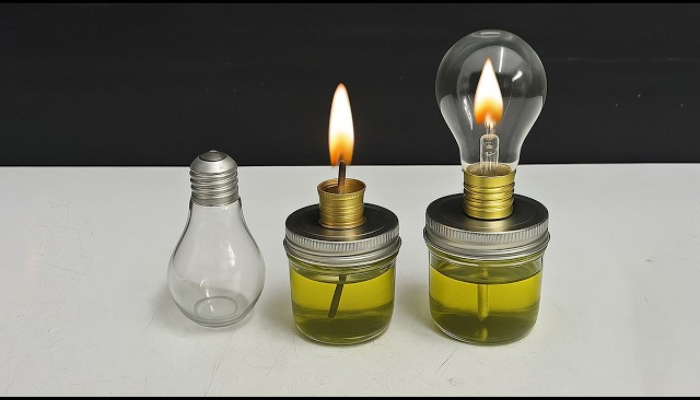
The oil palm lamp project existing concept represents a remarkable blend of sustainability, innovation, and practical design. As global industries search for greener alternatives, the oil palm sector—often criticized for its environmental impact—has found a promising way to repurpose its waste into functional, eco-friendly lighting solutions. This initiative transforms agricultural byproducts into valuable resources, reducing waste while creating renewable energy options for communities.
In regions where oil palm plantations dominate the landscape, large amounts of biomass waste are generated daily. Instead of letting these materials go unused or contribute to pollution, the oil palm lamp project existing framework leverages them to produce lamps that are both efficient and environmentally friendly. This innovative approach not only addresses waste management challenges but also supports sustainable development and energy accessibility.
Understanding the Oil Palm Lamp Project Existing Concept
The oil palm lamp project existing initiative revolves around converting oil palm waste—such as empty fruit bunches, fibers, and shells—into usable energy sources for lighting. This concept is rooted in circular economy principles, where waste materials are repurposed instead of discarded. By utilizing biomass from oil palm residues, these lamps provide a renewable alternative to traditional lighting methods.
One of the most significant advantages of the oil palm lamp project existing model is its ability to reduce dependency on fossil fuels. Traditional lighting systems often rely on electricity generated from non-renewable sources, contributing to carbon emissions. In contrast, oil palm lamps harness organic materials that would otherwise decompose or be burned inefficiently, thereby minimizing environmental harm. This sustainable approach aligns with global efforts to combat climate change while promoting resource efficiency.
Additionally, the project encourages innovation in rural and agricultural communities. By integrating simple yet effective technologies, local populations can produce and maintain these lamps with minimal cost. This accessibility ensures that the oil palm lamp project existing framework is not only environmentally beneficial but also socially impactful, improving living standards in underserved areas.
Materials and Technology Behind Oil Palm Lamps
At the core of the oil palm lamp project existing system lies the use of biomass-derived materials. Oil palm waste, particularly shells and fibers, is processed into biochar or used directly as fuel in specially designed lamps. These materials have high calorific value, making them suitable for generating consistent light output.
The technology involved in these lamps varies depending on the design. Some systems use simple combustion methods, where processed biomass is burned in a controlled environment to produce light. Others incorporate more advanced techniques, such as gasification, where biomass is converted into combustible gases that power the lamp. These technological variations ensure that the oil palm lamp project existing concept can be adapted to different levels of infrastructure and expertise.
Moreover, modern iterations of these lamps often include enhancements like improved airflow systems, smokeless combustion chambers, and energy-efficient designs. These innovations increase performance while reducing emissions, making the oil palm lamp project existing solutions more sustainable and user-friendly. As research continues, the integration of solar components and hybrid systems further expands the potential of these lamps.
Environmental Benefits of Oil Palm Lamp Projects
The oil palm lamp project existing initiative offers substantial environmental advantages, particularly in reducing agricultural waste. Oil palm plantations generate vast quantities of residues, which are often burned or left to decay, releasing greenhouse gases. By converting these materials into lighting solutions, the project significantly reduces emissions and promotes cleaner waste management practices.
Another key benefit is the reduction in deforestation pressure. In many rural areas, traditional lighting relies on kerosene or wood-based fuels, which contribute to forest degradation. The oil palm lamp project existing approach provides an alternative that utilizes readily available agricultural byproducts, thereby decreasing the demand for wood and preserving natural ecosystems.
Furthermore, these lamps contribute to improved air quality. Traditional kerosene lamps emit harmful pollutants that can cause respiratory issues. In contrast, well-designed oil palm lamps produce fewer emissions, making them safer for indoor use. This environmental and health advantage underscores the importance of expanding the oil palm lamp project existing initiatives on a larger scale.
Economic and Social Impact of Existing Projects
Beyond environmental benefits, the oil palm lamp project existing framework has a profound economic impact. By creating value from waste, it opens new income streams for farmers and local communities. Instead of discarding oil palm residues, individuals can process and sell them as fuel for lamps, generating additional revenue.
The project also promotes entrepreneurship. Small-scale businesses can emerge around the production and distribution of oil palm lamps, fostering economic growth in rural areas. This localized approach ensures that the benefits of the oil palm lamp project existing initiatives are widely distributed, empowering communities and reducing poverty.
Socially, these lamps improve quality of life by providing reliable and affordable lighting. In regions with limited access to electricity, oil palm lamps enable extended study hours for students, increased productivity for workers, and enhanced safety at night. The oil palm lamp project existing concept thus plays a crucial role in bridging energy gaps and supporting community development.
Challenges and Future Potential of Oil Palm Lamp Projects
Despite its many advantages, the oil palm lamp project existing initiative faces certain challenges. One of the primary issues is the need for consistent quality in biomass processing. Variations in raw materials can affect the performance of the lamps, requiring standardized methods and training to ensure efficiency.
Another challenge lies in scalability. While small-scale projects have shown success, expanding the oil palm lamp project existing framework to a larger level requires investment, infrastructure, and policy support. Governments and organizations must collaborate to provide funding, research, and incentives to encourage widespread adoption.
Looking ahead, the future of the oil palm lamp project existing concept is promising. Advances in technology, such as improved gasification systems and hybrid renewable energy solutions, can enhance the efficiency and versatility of these lamps. Additionally, increased awareness of sustainability and environmental responsibility is likely to drive further innovation and investment in this field.
Conclusion
The oil palm lamp project existing initiative exemplifies how innovation can transform environmental challenges into opportunities. By repurposing agricultural waste into sustainable lighting solutions, it addresses critical issues such as waste management, energy access, and environmental conservation. This approach not only reduces the ecological footprint of the oil palm industry but also empowers communities economically and socially.
As the world continues to seek sustainable alternatives, the oil palm lamp project existing framework stands out as a practical and impactful solution. With continued research, investment, and collaboration, it has the potential to revolutionize how we utilize agricultural resources and provide energy to underserved populations.
FAQs
1. What is an oil palm lamp project existing?
It is a sustainability initiative that converts oil palm waste into eco-friendly lighting solutions.
2. What materials are used in oil palm lamps?
They primarily use oil palm residues such as shells, fibers, and empty fruit bunches.
3. How do oil palm lamps work?
They use biomass combustion or gasification to produce light efficiently.
4. Are oil palm lamps environmentally friendly?
Yes, they reduce waste, lower emissions, and minimize reliance on fossil fuels.
5. Can oil palm lamps replace traditional lighting?
In many rural areas, they can serve as an effective and affordable alternative.
6. What are the economic benefits of these projects?
They create income opportunities and support local entrepreneurship.
7. Are oil palm lamps safe to use indoors?
Modern designs are safer than kerosene lamps, producing fewer harmful emissions.
8. What challenges do these projects face?
Key challenges include scalability, standardization, and access to funding.
9. Where are oil palm lamp projects most common?
They are prevalent in regions with large oil palm plantations, especially in developing countries.
10. What is the future of oil palm lamp projects?
With technological advancements, they are expected to become more efficient and widely adopted.