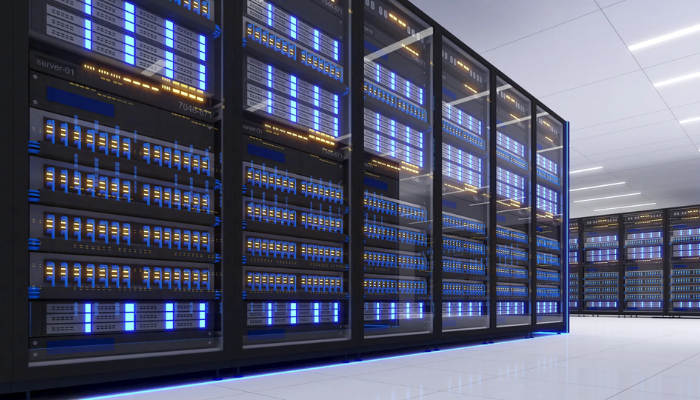
In the world of large-scale enterprise computing, few systems are as reliable and resilient as mainframes. When it comes to mainframe NSCorp, the conversation centers around how advanced computing infrastructure supports one of the most complex logistics networks in North America. Norfolk Southern Corporation, often abbreviated as NSCorp, relies heavily on robust mainframe systems to manage vast amounts of operational data, ensure real-time tracking, and maintain seamless transportation services.
Mainframe NSCorp is more than just a technological backbone—it is a mission-critical ecosystem that enables precision, efficiency, and security in railway operations. From handling freight logistics to processing financial transactions, these systems play a pivotal role in keeping the organization running smoothly. In this article, we’ll explore the architecture, benefits, applications, challenges, and future of mainframe NSCorp in depth.
Understanding Mainframe NSCorp and Its Core Architecture
Mainframe NSCorp refers to the enterprise-level computing systems used by Norfolk Southern Corporation to manage large-scale operations. These systems are designed to process massive volumes of data quickly and reliably, making them ideal for industries like transportation, banking, and government services. Mainframes differ from traditional servers in their ability to handle thousands of concurrent transactions with minimal downtime.
The architecture of mainframe NSCorp typically revolves around centralized computing. This means that instead of distributing workloads across multiple smaller systems, a single powerful mainframe handles the bulk of processing. Technologies like virtualization and partitioning allow multiple applications to run simultaneously without interference. This structure ensures high availability, fault tolerance, and unmatched performance—essential features for a railway network that operates around the clock.
Another important aspect of mainframe NSCorp architecture is its integration capabilities. These systems seamlessly connect with modern applications, cloud services, and distributed systems. This hybrid approach allows NSCorp to maintain legacy systems while embracing digital transformation. As a result, the organization benefits from both stability and innovation.
The Role of Mainframe NSCorp in Railway Operations
Railway operations involve a complex web of scheduling, tracking, maintenance, and customer service. Mainframe NSCorp serves as the central nervous system that ties all these elements together. It processes real-time data from trains, tracks, and logistics hubs, enabling precise coordination across the network.
One of the most critical functions of mainframe NSCorp is train scheduling and dispatching. By analyzing variables such as track availability, weather conditions, and cargo priorities, the system ensures optimal routing. This not only improves efficiency but also reduces delays and operational costs. The ability to process real-time data makes it possible to adjust schedules dynamically, ensuring smooth operations even under unexpected circumstances.
Additionally, mainframe NSCorp plays a vital role in freight management. It tracks shipments from origin to destination, providing accurate updates to customers and stakeholders. This level of transparency enhances customer trust and satisfaction. Moreover, the system supports predictive maintenance by analyzing equipment data, helping prevent breakdowns and ensuring safety.
Key Benefits of Mainframe NSCorp for Enterprise Efficiency
The adoption of mainframe NSCorp brings numerous benefits that contribute to overall enterprise efficiency. One of the most notable advantages is reliability. Mainframes are known for their near-zero downtime, making them ideal for mission-critical operations. For a company like Norfolk Southern Corporation, even a few minutes of downtime can result in significant losses, making reliability a top priority.
Scalability is another major benefit. Mainframe NSCorp can handle increasing workloads without compromising performance. As business demands grow, the system can scale seamlessly to accommodate additional data and transactions. This ensures that the organization remains agile and responsive to changing market conditions.
Security is also a key strength of mainframe NSCorp. These systems are designed with advanced security features that protect sensitive data from cyber threats. From encryption to access controls, mainframes provide a secure environment for handling critical information. This is particularly important in an era where data breaches and cyberattacks are becoming increasingly common.
Integration of Mainframe NSCorp with Modern Technologies
Despite being considered a legacy system, mainframe NSCorp has evolved to integrate seamlessly with modern technologies. This integration enables organizations to leverage the power of mainframes while adopting new digital solutions. For instance, APIs and middleware allow mainframe applications to communicate with cloud platforms and mobile applications.
Cloud integration is a significant trend in the evolution of mainframe NSCorp. By connecting mainframes to cloud environments, organizations can achieve greater flexibility and scalability. This hybrid approach allows them to run critical workloads on the mainframe while using the cloud for less sensitive tasks. The result is a balanced and efficient IT ecosystem.
Another important aspect is the use of advanced analytics and artificial intelligence. Mainframe NSCorp can process vast amounts of data, making it an ideal platform for analytics. By integrating AI tools, organizations can gain valuable insights into operations, customer behavior, and market trends. This data-driven approach enhances decision-making and drives innovation.
Challenges and Future of Mainframe NSCorp
While mainframe NSCorp offers numerous benefits, it also comes with its own set of challenges. One of the primary issues is the shortage of skilled professionals. Mainframe technology requires specialized knowledge, and finding experts with the necessary skills can be difficult. This skills gap can hinder the effective management and modernization of mainframe systems.
Another challenge is the perception of mainframes as outdated technology. Despite their capabilities, many organizations view them as legacy systems that need to be replaced. However, this perception is changing as businesses recognize the value of mainframes in handling critical workloads. The focus is now shifting towards modernization rather than replacement.
Looking ahead, the future of mainframe NSCorp appears promising. With advancements in technology, mainframes are becoming more powerful, flexible, and user-friendly. Innovations such as automation, AI integration, and enhanced security features are driving the evolution of these systems. As a result, mainframe NSCorp will continue to play a crucial role in enterprise computing for years to come.
Conclusion
Mainframe NSCorp stands as a testament to the enduring relevance of mainframe technology in modern enterprise environments. By providing unmatched reliability, scalability, and security, these systems enable organizations like Norfolk Southern Corporation to manage complex operations with precision and efficiency.
As technology continues to evolve, mainframe NSCorp is adapting to meet new challenges and opportunities. Its integration with cloud computing, AI, and advanced analytics ensures that it remains a vital component of enterprise IT infrastructure. For businesses seeking a robust and dependable solution, mainframe NSCorp remains an indispensable asset.
FAQs About Mainframe NSCorp
1. What is mainframe NSCorp?
Mainframe NSCorp refers to the enterprise computing systems used by Norfolk Southern Corporation to manage large-scale operations and data processing.
2. Why does NSCorp use mainframes?
Mainframes provide reliability, scalability, and security, making them ideal for handling critical railway operations.
3. How does mainframe NSCorp improve efficiency?
It processes real-time data, optimizes scheduling, and ensures seamless coordination across the network.
4. Is mainframe NSCorp outdated technology?
No, it has evolved with modern integrations like cloud computing and AI, making it highly relevant today.
5. What are the key features of mainframe NSCorp?
High availability, fault tolerance, scalability, and advanced security are its primary features.
6. Can mainframe NSCorp integrate with cloud systems?
Yes, it can integrate with cloud platforms through APIs and middleware.
7. What challenges does mainframe NSCorp face?
The main challenges include a shortage of skilled professionals and outdated perceptions.
8. How secure is mainframe NSCorp?
It is highly secure, with advanced encryption and access control mechanisms.
9. What role does AI play in mainframe NSCorp?
AI helps analyze data, improve decision-making, and enhance operational efficiency.
10. What is the future of mainframe NSCorp?
The future includes greater integration with modern technologies, improved automation, and continued relevance in enterprise computing.